
There is a law of the jungle that if they are found weak in their job, then kill them. And cats also used to live in the jungle; due to this, they also got into the habit of hiding their illness. In this affair, even the owner never got to know that he was sick, and if he had come to know, then he would have been very scared.
Diseases like kidney, cholesterol, and dental diseases come silently, and we come to know about TB only when it is very old. In routine check-ups, loss of weight, swelling in the nose, and even a small change in blood test is noticed. If there is any problem, then quick treatment can be done, which is very good for both the cat and the owner, and in the long term, a lot of money is saved because treatment in an emergency is very expensive. Simply, regular health care makes the lives of cat longer and healthier.
How often should Billion get a health checkup done?
A kitten has to go to the vet several times a month because they have to be vaccinated, and he monitors their growth, diet, and behavior. But when they are young, taking them once a year is enough.
Adults who are above 7 years of age should go to the vet every 6 months because diseases like TB, kidney, thyroid, and arthritis are common. Regular mobility takes care of these things quickly.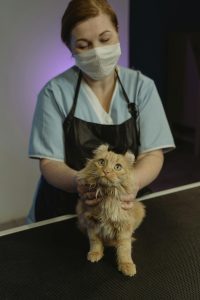
The way of living of the cat is also very important. The cat roaming outside is at a higher risk of parasite and bacterial attack, so its checkup should be done a little earlier. Whether the cat is indoor or outdoor, a regular routine is a must.
What Happens During a Routine Vet Visit?
A general wellness exam goes into great detail. The vet does a physical exam, checking the cat’s weight, eyes, skin, ears, teeth, and lungs. The cat’s general health can be inferred from all of this.
Vaccinations are updated to prevent diseases such as rabies, feline leukemia, and distemper. Parasite prevention is also done (against fleas, ticks, and worms).
Lab tests are frequently carried out to examine organ condition, such as in cases of diabetes or kidney problems. Urine and fecal tests are occasionally conducted to check for infections or digestive issues. The doctor also talks about your cat’s diet, activity level, and behaviors. This full inspection protects the cat’s health.
Common Health Issues Checked in Cats
- The biggest benefit of routine health checkups is that diseases are caught early.
Dental disease: This is very common, as is pain in teeth, difficulty in eating, and even infection. - Obesity is also very common in older cats, which increases the risk of diabetes, arthritis, and heart disease.
- Liver and kidney problems are very common in older cats, so a blood test is very important.
- Thyroid problems (hyperthyroidism) can cause weight gain or even death.
- Heart problems and arthritis should also be checked in a routine check-up, whether the cat shows symptoms of these or not.
At-Home Cat Health Monitoring
The cat’s vet checkup is important, but it is also important for the owner to see him daily. It helps us to understand small habits quickly.
- The cat’s weight and eating and peeing habits should be closely monitored. Any sudden changes in these may be health concerns.
- The litter box also provides clues: if the color, volume, or frequency of urine/stool varies, it might indicate a renal, diabetic, or digestive issue.
- Keep an eye on cleanliness, etc. If he stops keeping himself clean or suddenly starts getting dirty, he may have health issues.
- Arthritis can be detected by his walking or jumping, meaning if he is having difficulty, then he could be suffering from arthritis.
- His teeth, gums, and coat should also be checked.
Try to make a health diary of the cat so that it will be easy for the vet to diagnose.
Tips for Reducing Stress During Vet Visits
Vet checkups are very difficult for many, but you can make them easy.
- Select a strong and relaxing carrier and let him/her stay at home till the cat becomes familiar with him/her.
- Put a blanket or a toy inside till the cat becomes comfortable with him/her.
- Perfume helps in giving him/her comfort.
- There is no rush in the appointment at such times, which reduces stress.
Conclusion
Going to a regular vet is an important part of responsible ownership. These take care of internal diseases; there is also a check-up for vaccination and bacteria, etc., and its diet and behavior are also discussed. Daily monitoring at home is also important, where you can see even the smallest changes. Professional care and daily observation together give your cat a long, healthy, and happy life. If your cat has not had a wellness exam in the past few years, now is the best time to book an appointment.